Is ChatGPT Human Fracking?
Extracting The Fundamentals of Human Thought. One Prompt at a Time.

I’ve been using A.I. a lot lately.
As you might know, I’ve come out of hibernation and launched a consulting practice for nonprofit and social enterprise organizations. Right now I’m using AI to create a blueprint for a client’s new strategic plan. (Outcome: It was fiddly but ultimately gave me a decent boiler plate that needs a great deal of elaboration, personalization and additional thinking. )
I’m also trying to unpack the mysteries of the 2026 tax code to answer one of the nagging questions that fill my brain: who pays the most taxes and why?

The down side of using it to plumb the depth of the tax code: It is, as you know, sloppy. And often wrong. And most crucially, unlike a great teacher, it doesn’t assess my prior knowledge and adapt the instruction to me.
On the plus side: it is an endlessly patient instructor. No exasperated sighs. No eye rolling. Between me and A.I., there are no stupid questions. But because it can’t assess my prior knowledge, I am forced to ask it the same question ten times, breaking down my prompts into small chunks until it spits out an answer I can understand. And then we move on, building into more complex information.
But as I do this, I feel a little haunted. As I come up with the prompts that will make it teach me what I want to know, or practicing, as they say, prompt architecture, I am in turn reinforcing for A.I. the basics of human logic. I have connected to this vast sprawling network and I, along with millions of others, are methodically instructing it, and reinforcing again and again, how humans think.

All of which reminds me of this 1973 film “Soylent Green.” Short version: climate change and rampant economic inequity means the wealthy live in splendor and eat magnificent food and the masses live in cramped, filthy conditions (which I know sounds all too familiar to my NYC friends.) The masses subsist off the titular Soylent Green, a highly processed wafer made of (spoiler alert) reprocessed euthanized poor people.
What does this have to do with learning from AI? Our attention, our focus, our ability to link ideas across silos of information and think critically— it’s something we take for granted. But it’s also the product of six million years of evolution. Not to mention generations of education. And exposure to art and literature. And it has been shaped by the kindness and grace (and yes, anxiety and trauma) generated by other humans we’ve interacted with.
And here I am, letting it be pumped out of me wholesale for for-profit AI companies that seem to be rapidly emerging as defense contractors cloaked in techno-optimism.
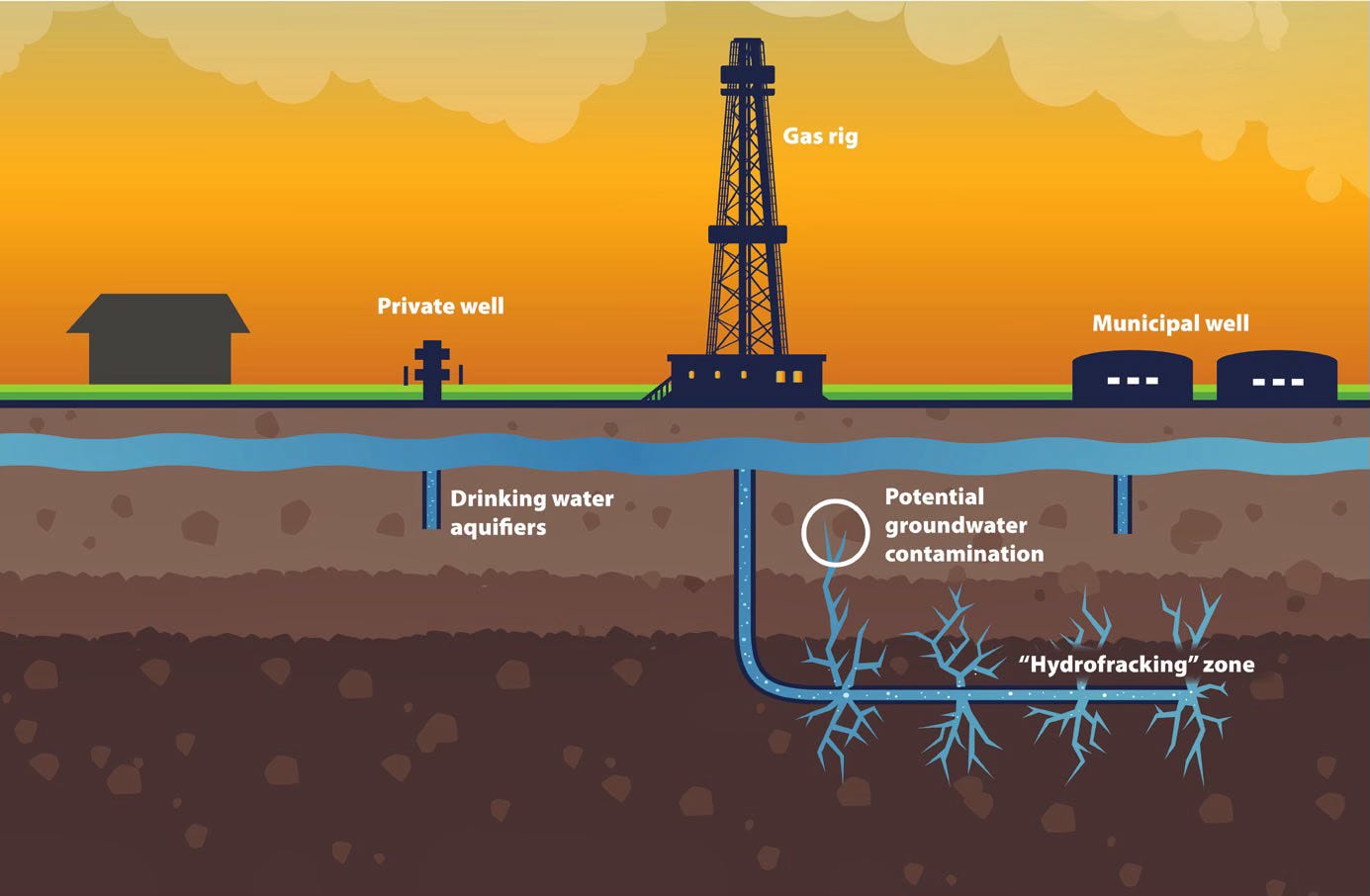
Since Ptolemy II established the library in Alexandria, there has been a sort of baseline understanding that learning is a net positive for the world. Learning creates human flourishing.
The more we learn, the higher we rise from our animal state. Learning allows us become more effective adults, better members of our community and more thoughtful citizens. Learning forced us to give our attention, our minds and our senses to each other. And to the world.
For sure, I now know more about the 2026 tax code than I did two weeks ago. Good for me. But this was a different sort of process than the way I’ve learning things in the past. Does it support human flourishing? I guess? What happens when we multiply A.I dependent learning— and extraction — over a generation or two? Smart machines and a depleted society? It’s here to stay, so what can we do to mitigate these downside? For ourselves? For our children?
Post your suggestions in the comments please.

SPOT ON piece, Peg. We are Soylent Green!!! I just organized a full day of panels on A.I (LLM and Gen Ai formats) for UGFTV at NYU. The learning loss, copyright infringement (theft), exploitation of human thought and creativity Ai is raining down upon us is profound. And not to mention its heinous impact on the environment. Oh, and the economy -- job elimination anyone? Andrew Yang is right to urge us to Tax AI, as it devours our tax base's ability to work. And yet -- here it is, this consequential technology permeating all aspects of our society and world. We have to learn how to use it, or we will continue to be used by it. But I wonder if and how it contributes to human flourishing, other than the tremendous value it has in medical research and advancements (where its amazing capacity for pattern recognition of data has been a profound boon). Could you have learned about Tax Codes as well, without it? Did it save you time, considering the amount of time you spent constructing and reconstructing prompts? That is the question I pose myself and my students -- could the task/work/project be done without it, and is there a clear advantage to using it, vs the costs? For sure the answer will be yes, many times. But --- OY!